AI COMPUTE•NVIDIA•GPU CLOUD•DATA CENTERS•SEMICONDUCTORS•ENERGY•FUNDING•M&A•AI COMPUTE•NVIDIA•GPU CLOUD•DATA CENTERS•SEMICONDUCTORS•ENERGY•FUNDING•M&A•
Semiconductors

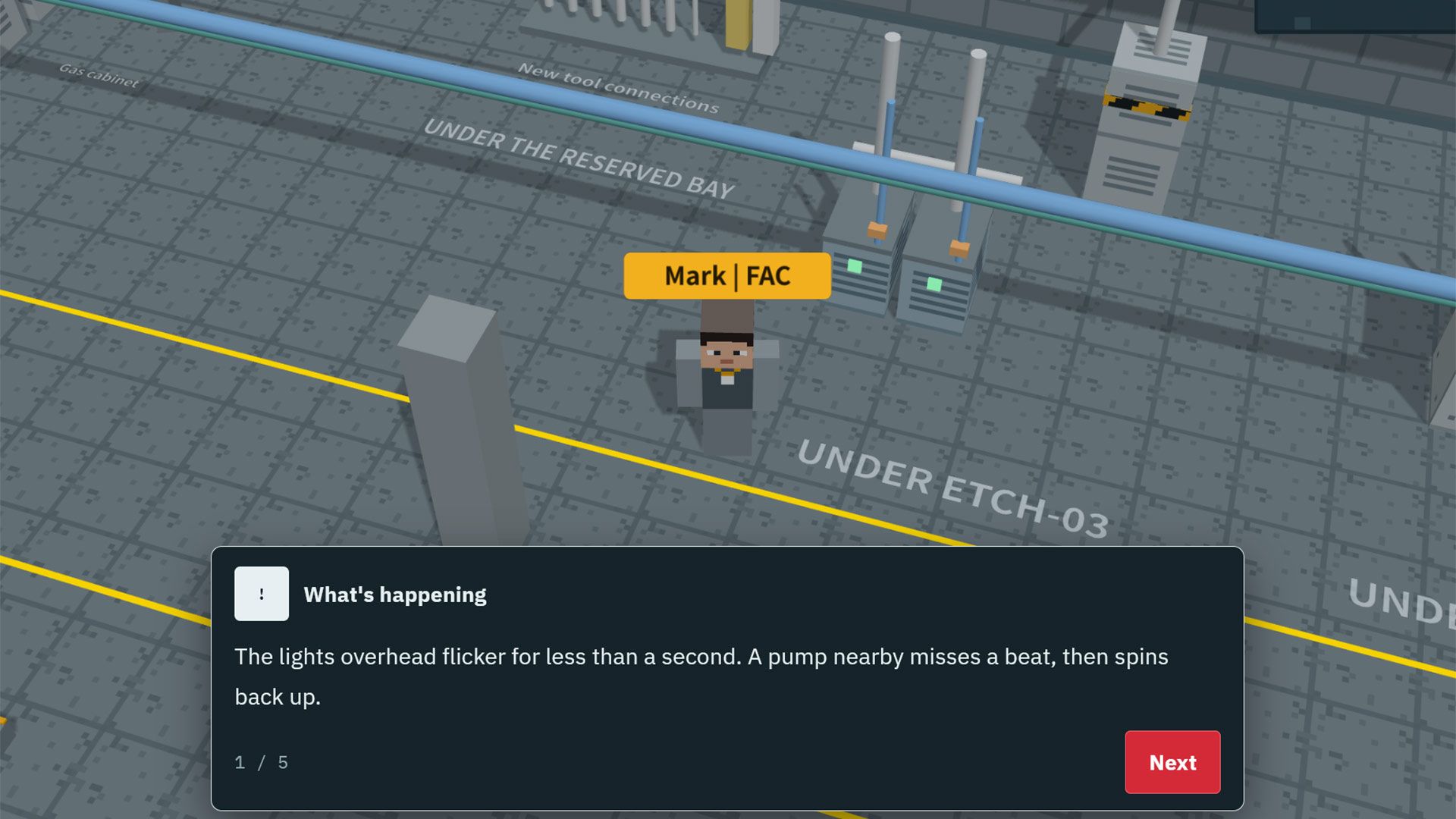
Web-based chip fab engineering game goes viral in Taiwan

Locally developed browser simulator recreates wafer fabrication work
By GPU Data Hub Desk · GPU Data Hub·Editorial standards··Taiwan
Web-based chip fab engineering game goes viral in Taiwan

A browser-based 3D simulation depicting the daily routine of a semiconductor wafer fabrication employee has gained widespread popularity in Taiwan. Created locally, the title simulates operational life inside a microchip production facility.

Original source

This summary was written by the GPU Data Hub desk from reporting published by Tom's Hardware on 18 Oct 2026, 12:50. Read the full article at the original publisher.

Read Original Source →

By subscribing you consent to receive the daily briefing. Unsubscribe at any time. See our privacy policy.

LinkedInX

More from GPU Data Hub

Latest →

This week on Tom's Hardware Premium: October 17, 2026

Hardware publication Tom's Hardware has compiled analysis detailing packaging technologies, focusing specifically on EMIB and Foveros roadmaps. The subscriber briefing also reviews current developments surrounding competitive pressure from Chinese vendors in the local artificial intelligence compute sector.

Semiconductors··Tom's Hardware

A week with RTX Spark: everything we’ve learned using Nvidia’s new laptops

Nvidia has introduced its RTX Spark N1X silicon, an Arm-based system-on-chip designed to power high-end notebooks and compact desktops. The processor is positioned to compete directly against existing offerings from Apple, Intel, AMD, and Qualcomm. Hands-on testing indicates the superchip aims to bring intensive multi-core processing and proprietary graphics architecture to portable hardware.

Semiconductors··The Verge

New York City Awards $29.2M to NYU for Quantum Fabrication Facility

New York City municipal authorities have granted 29.2 million dollars to New York University to build a dedicated quantum hardware production facility known as QFab. The initiative is backed by the city's economic development agency to bolster local advanced technology development and specialised cleanroom capacity. The site aims to strengthen the regional semiconductor and quantum device manufacturing ecosystem.

Semiconductors··HPCwire

Smartphone shipments plummet as memory crisis pumps up prices

Intense component procurement by the artificial intelligence sector has precipitated a sharp memory deficit, driving price increases across the hardware market. The escalating cost pressures have triggered a notable drop in worldwide smartphone shipments, hitting entry-level mobile devices especially hard. Market analysts caution that this component squeeze is improbable to subside before 2028.

Semiconductors··The Register