AI COMPUTE•NVIDIA•GPU CLOUD•DATA CENTERS•SEMICONDUCTORS•ENERGY•FUNDING•M&A•AI COMPUTE•NVIDIA•GPU CLOUD•DATA CENTERS•SEMICONDUCTORS•ENERGY•FUNDING•M&A•
Semiconductors

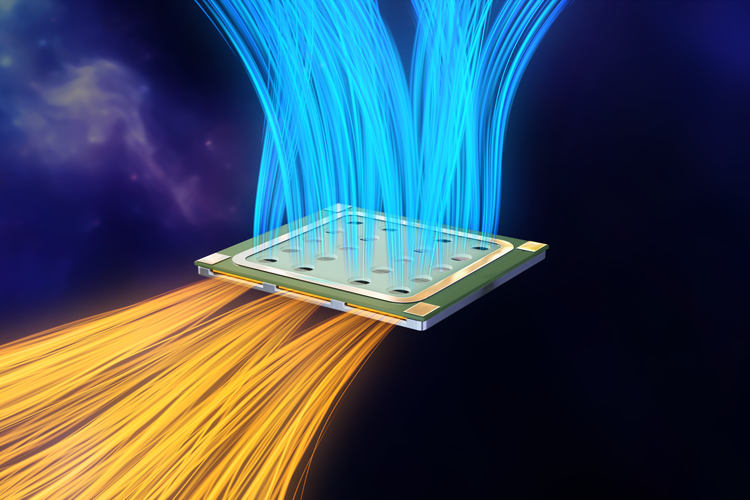
xMems solid-state cooling chips for data centers and Edge devices go into production

Solid-state micro-cooling chips enter mass production for computing hardware
By GPU Data Hub Desk · GPU Data Hub·Editorial standards·
xMems solid-state cooling chips for data centers and Edge devices go into production

Component manufacturer xMEMS has commenced commercial production of solid-state cooling silicon intended for data centres and edge computing deployments. The devices utilise micro-vibrations to manage thermal dissipation across high-performance hardware.

Original source

This summary was written by the GPU Data Hub desk from reporting published by Data Center Dynamics on 20 Oct 2026, 15:10. Read the full article at the original publisher.

Read Original Source →

By subscribing you consent to receive the daily briefing. Unsubscribe at any time. See our privacy policy.

LinkedInX

More from GPU Data Hub

Latest →

Modal taps Nvidia Vera CPUs after firm's internal tests show 2x throughput over Intel and AMD chips

Modal has integrated Nvidia's Vera central processing units after proprietary benchmarking indicated a twofold gain in throughput compared with comparable x86 processors from Intel and AMD. The performance advantage was specifically recorded during the execution of artificial intelligence agent workloads. The cloud platform is deploying the silicon to improve execution speeds across its operational infrastructure.

Semiconductors··Tom's Hardware

Intel asks FCC for waiver to buy foreign robots

Intel has formally petitioned the US Federal Communications Commission for regulatory relief regarding the acquisition of automated guided vehicles produced overseas. The chipmaker fears that extensive import prohibitions could prevent it from servicing or expanding its internal fleet of factory robotics. Such restrictions pose potential operational risks to its domestic fabrication facility automation.

Semiconductors··Tom's Hardware

Quantinuum Says Helios Results Strengthen Its Path to Apollo

Quantinuum has demonstrated 99.9995% logical memory fidelity on its Helios quantum platform, achieving approximately five errors per million cycles. Management stated that this milestone de-risks the quantum sector and reinforces confidence in delivering Apollo, a fault-tolerant system scheduled for 2029. The advance highlights accelerating commercial progress in addressing quantum error-correction challenges.

Semiconductors··HPCwire